Beginner Crochet Dishcloth Pattern
A handmade dishcloth is a good place to learn even rows, turning chains, and clean edges without worrying about garment fit. This square uses one stitch throughout and a simple border. Choose cotton yarn with little stretch and make a practical cloth in a kitchen-friendly olive, cream, or warm gray.
Materials & tools
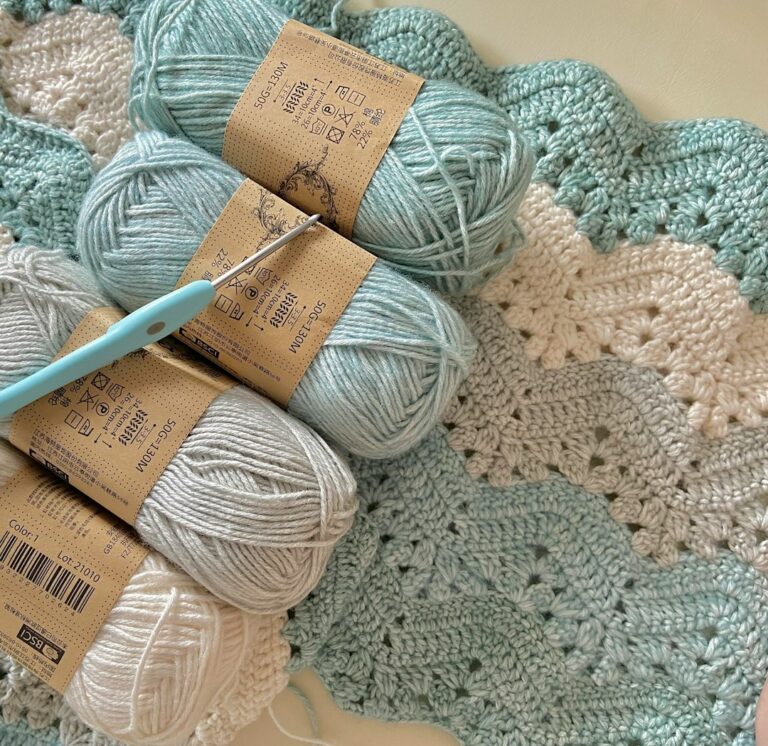
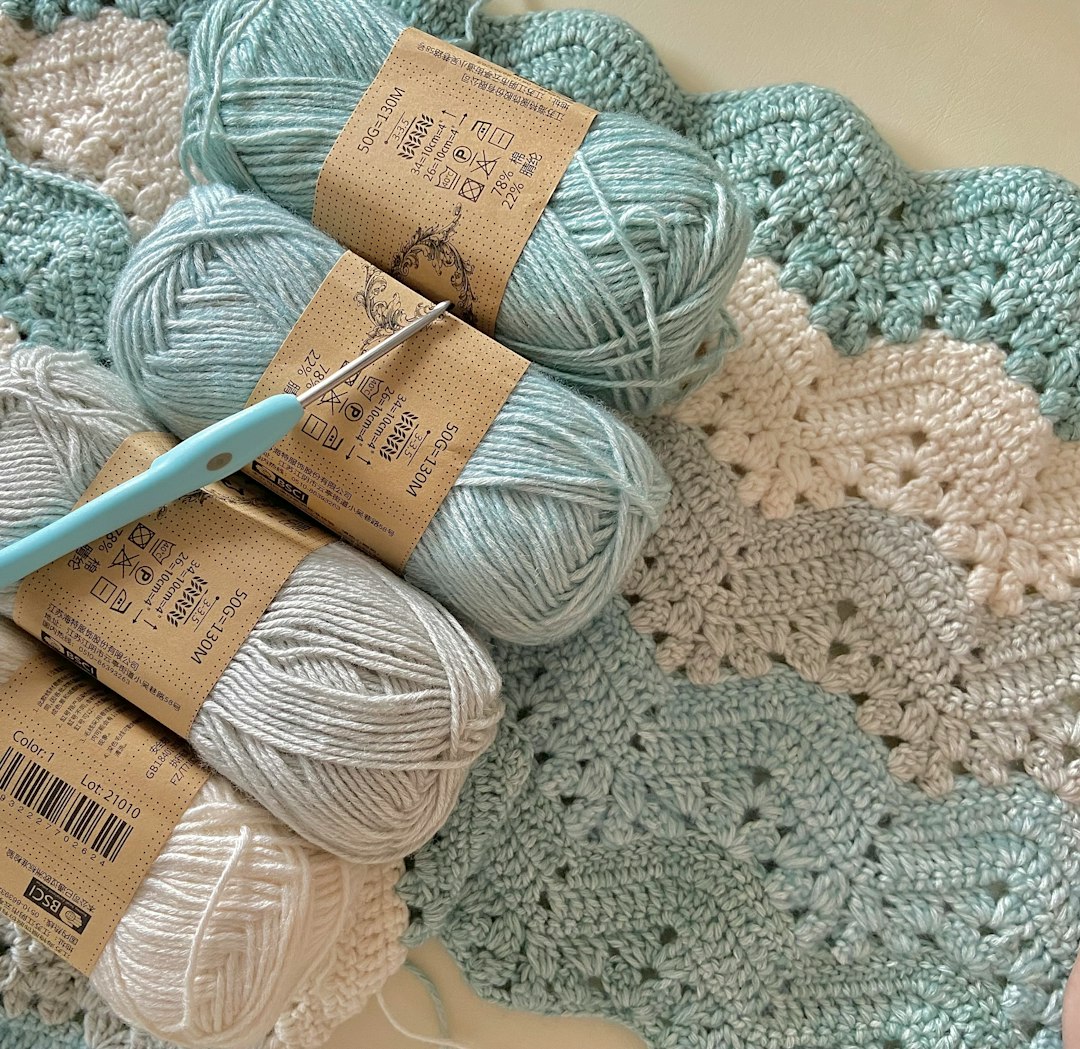
- Worsted-weight 100% cotton yarn, about 90–120 yards
- 5 mm hook (H/8) or a hook suited to your cotton
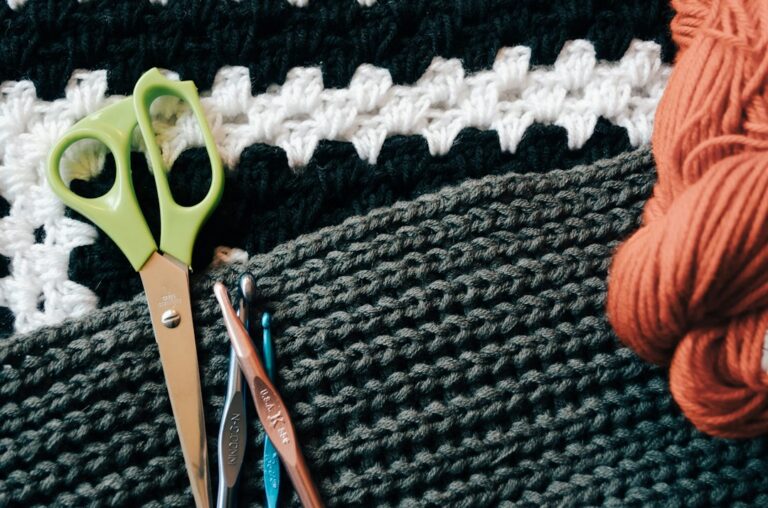
- Scissors, yarn needle, and measuring tape
Size & gauge
Aim for a roughly 8-inch (20 cm) square. An approximate gauge of 15 single crochet stitches and 16 rows per 4 inches is a starting point, not a substitute for measuring your cloth. Change the number of rows to make the length match the width.
Step-by-step instructions
- Chain 31, keeping the chain loose enough to work into.
- Row 1: single crochet in the second chain from your hook and in each chain across. Count 30 stitches.
- Chain 1, turn; the turning chain does not count as a stitch. Work 1 sc into each of the 30 stitches across for row 2.
- Repeat the second row until the fabric measures about 8 inches from the foundation edge. Count periodically to keep the sides straight.
- For an optional simple edging, single crochet evenly around the cloth, working three single crochets into each corner stitch so it turns without curling.
- Slip stitch to join the edging, cut the yarn with a short tail, pull it through the last loop, and secure the ends with a needle.
Finishing & care
Wash or soak the finished square according to the yarn label, reshape it, and dry flat before checking its final dimensions. Cotton often changes after the first wash, so a dishcloth that is slightly wider than expected when newly made may settle. For everyday care, rinse thoroughly and allow the cloth to dry between uses.
Helpful notes
If your edges gradually lean, you may be accidentally crocheting into the turning chain at the end of a row or missing the final stitch. Count the thirty stitches as you work. A light-colored yarn makes learning stitch anatomy easier, while a dark olive shade is practical for a kitchen cloth that will see frequent use.
Make it your own
For a textured version, alternate one row of single crochet with one row of half double crochet, but keep the first version simple if you are new. A narrow contrasting border adds a pleasing frame. You can also make smaller cloths by beginning with 25 chains and stopping when the sides measure the same.
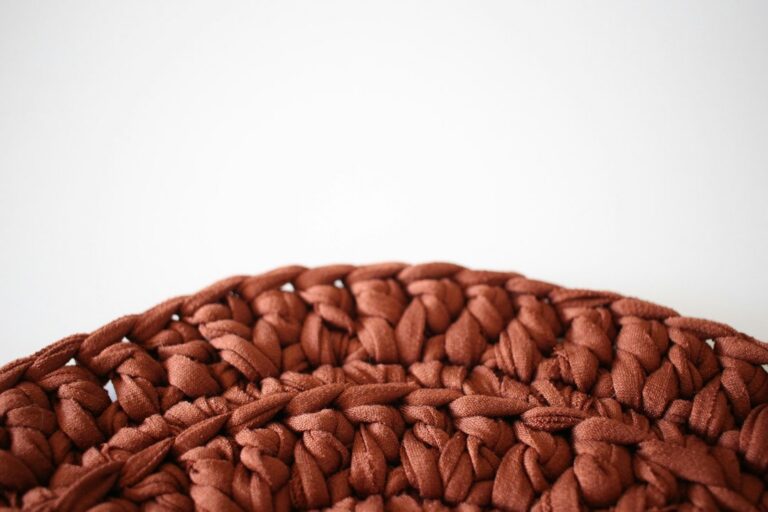
Photography on this site is illustrative; the written instructions describe the project. Results vary with yarn, gauge, and individual technique.